
Music therapy isn’t just about music and isn’t just for musicians. Music therapy, like speech or physical therapy, is an option to help people of all ages and backgrounds process emotions, achieve goals, express themselves, and more.
ASSIST uses music therapy in a trauma-informed method and is conducted by a board-certified professional music therapist (MT-BC).
Here’s how music therapy at ASSIST works
Music helps us live in the moment, and today’s emotions and needs may not be the same as yesterday’s. When you come to a music therapy session at ASSIST, it’s all about you and your needs at that day and moment.
- Are you coming in with stress and need a quiet, passive space to process? An MT-BC may structure the session around music-assisted relaxation techniques, guided meditations, thoughtful reflection through lyric analysis, improvisation, and more.
- Are you coming in with built up emotional energy needing to be released in a constructive way? An MT-BC may prepare a songwriting activity, help you learn an instrument, build an intentional playlist, create a craft or artwork inspired by music, let out steam on the drums, or play music games that require active emotional expression.
- Do you have a child or adolescent in need of extra support, whether at home, in school, or in relationships? Music therapy sessions will be immersive and fun for your child, often with musical games, creative & meaningful projects, and lighthearted song activities tailored to your child’s interests while simultaneously addressing important social and emotional goals.
- Not sure what you need that day? The MT-BC is trained to create a mix of both passive and active interventions and adjust as needed according to what they professionally assess is best in the moment.
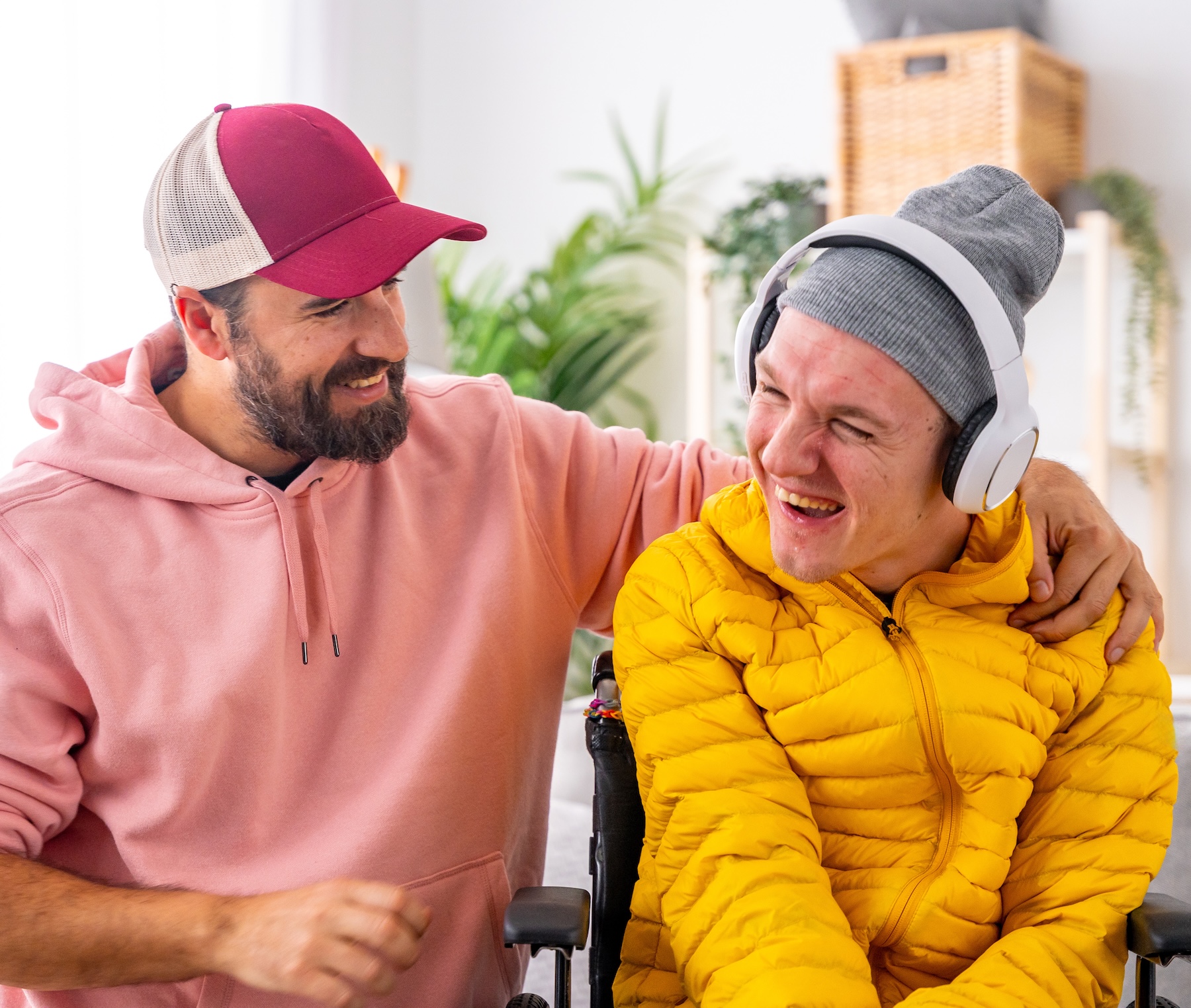

The science of music therapy opens new opportunities for people of all ages and backgrounds
Music therapy is grounded in evidence-based research, particularly in how music interacts with the brain and nervous system. This is where science meets creativity.
Calming the “fight or flight” response
Neurologic Music Therapy (NMT) has been shown to support regulation of the stress response by influencing the vagus nerve, which plays a major role in heart rate, blood pressure, and calming the “fight or flight” response. This is especially relevant for trauma survivors.
Based in new, emerging science
Research on polyvagal-informed therapeutic drumming has shown promising results for emotional regulation and social reconnection in individuals who have experienced interpersonal violence.
Rhythmic entrainment and grounding
Through intentional rhythmic music-making (often drumming), the nervous system can naturally synchronize (or entrain) to steady rhythms. This can help regulate breathing, heart rate, and emotional arousal while restoring a sense of internal balance and connection.
Meeting your body where it is
The isoprinciple is a well-established music therapy technique where the therapist matches a person’s current emotional or physiological state through music, then gradually shifts the music toward calm. The body follows.
This technique has been used in medical settings to reduce anxiety, heart rate, and blood pressure, with measurable results.
Music and the brain
Unlike language, which primarily relies on left-hemisphere brain pathways, music engages both hemispheres of the brain. This is why individuals who struggle with speech (like stroke survivors) can often relearn language through singing.
For kids and adults
Multimodal music therapy—when combined with approaches like cognitive-behavioral therapy—has been shown to improve outcomes for children with anxiety by offering a nonverbal pathway to emotional expression when words are hard to find.
FAQs about music therapy at ASSIST
A board-certified professional music therapist (MT-BC) who has completed a 4-year Bachelor of Music Therapy degree and 1200 clinical training hours, has passed the AMTA board certification exam, and undergoes 100 hours of continuing education every 5 years.
Participation in music making is encouraged but always optional, and music will be incorporated in ways that fit each person’s unique needs. Think of the music element being there simply to help you express, process, and navigate feelings and skills in a no-pressure way that doesn’t always require words.
A music therapist is trained to avoid any songs, instruments, or volume levels tied to personal trauma or aversive reactions. However, in special circumstances where any form of music or even quiet auditory stimulation creates negative reactions, music therapy may not be the best fit.
At ASSIST, sessions are 50-55 minutes long.
Message or call ASSIST or contact ASSIST’S MT-BC, Rachel Turnbill directly at [email protected].
